
Blog Post Eleven
can Travel Make You a better musician?
Thanks for stopping by, and welcome to my blog! I hope you had a great week. In this week’s blog post, I will be discussing how travel makes you smarter. In my 24 years of service in the U.S. Air Force Bands, I traveled to 30 countries (see pics below) and 47 states with 25 ensembles, performing for over 120 million people; I completed 210 concert tours totaling 880 days on the road with 11 different Air Force Bands, during which I visited roughly 1,500 cities. So, I have been around the block a few times. How did it affect me as a musician? Keep reading to find out. How about you? Where have your travels taken you? What have they taught you about music? Tell me about it in the comments below.
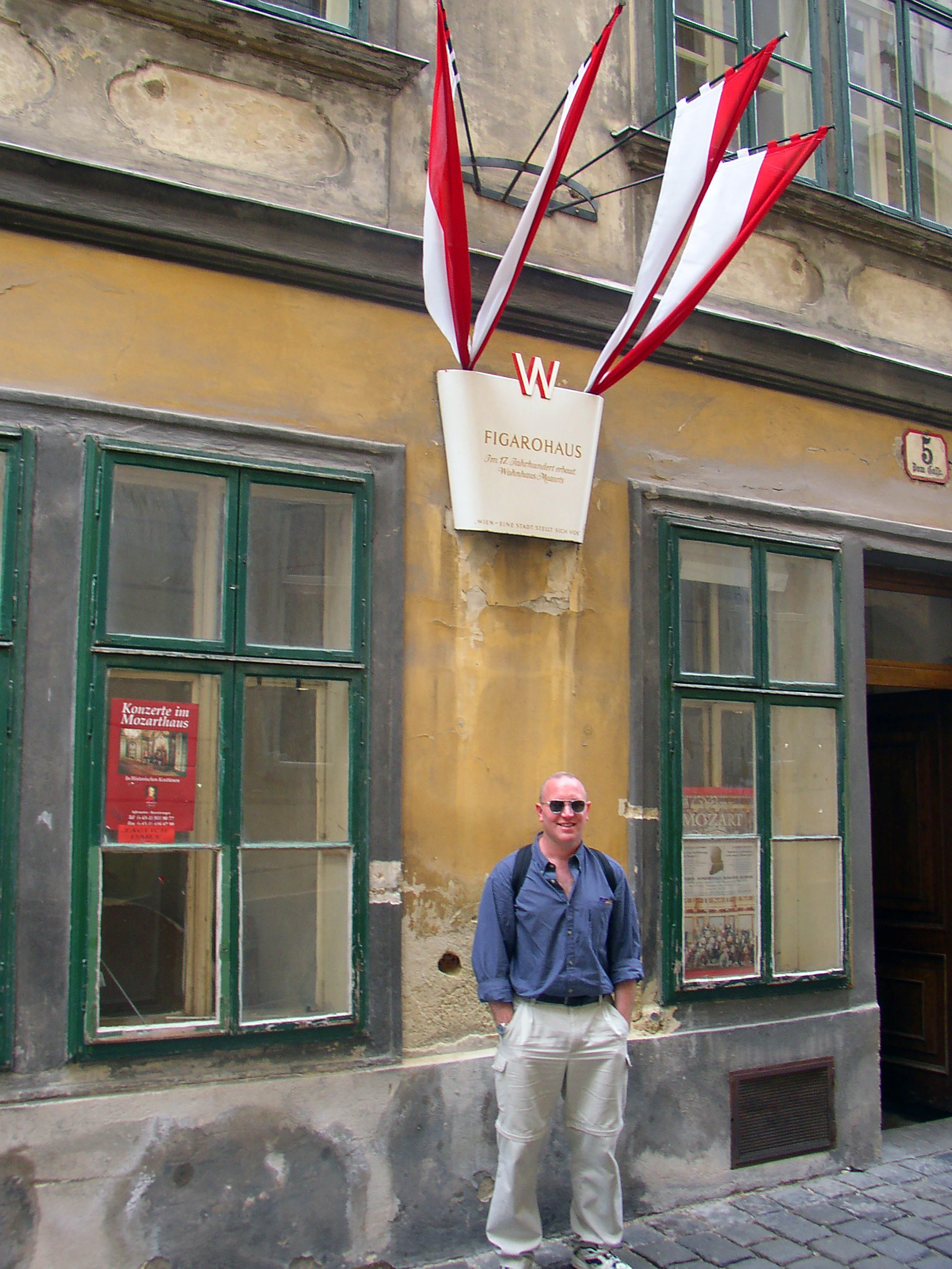
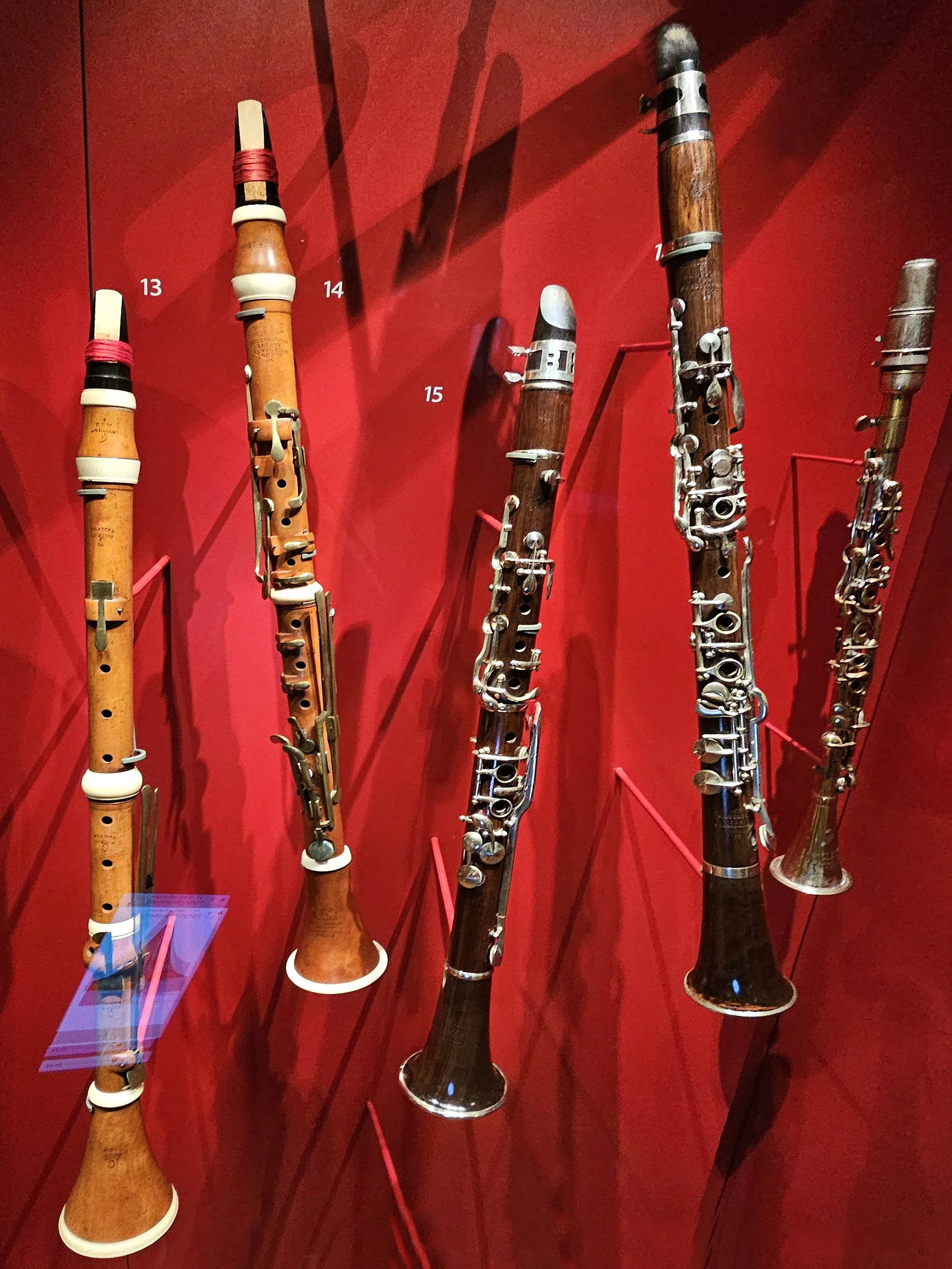

Let’s start this week’s blog post with a few images. The first picture above is the Figarohaus (now called the Mozarthaus) in Vienna, Austria. This was one of Wolfgang Amadeus Mozart’s residences when he lived in Vienna. Mozart began working in Vienna as a young man, and it was there that he married Constanze Weber. Across the street at Stephansdom (the cathedral), there is a plaque dedicated to their wedding ceremony there on 4 August 1782. The second picture above shows rare 19th-century clarinets by Cramer, Clementi, and Metzler, on display at the Museum of the Royal College of Music in London. As a clarinetist, it was amazing to see some historical models of my favorite instrument and note the differences in keying, wood choice, color, ligatures (or string ligatures), and barrels. Fascinating!
The third picture above shows the grave site of French composer Hector Berlioz at the Montmartre Cemetery in Paris, France. One of my favorite orchestral pieces is the “Symphonie Fantastique” by this legendary composer. Seeing his gravesite was special for me and a tactile way to share a moment with that favorite composer. Seeing these three places was a treat and a privilege; to see a composer’s gravesite, birthplace, or favored concert venue is special for a musician. It helps you to understand this composer much better and gives you a better perspective on their music.
Before we continue, here are three music trivia questions to challenge you; I will reveal the answers towards the end of this blog post. These questions all stem from my European travels; I hope you enjoy them. First, which museum in Hostervitz, Germany, celebrates a famous German composer, conductor, virtuoso pianist, and critic? Second, which 18th-century Viennese café, opened by Empress Maria Theresia’s personal chef, hosted concerts by legendary composers like Mozart and Beethoven? And third, which 11th-century Romanesque, Gothic, and Norman Cathedral hosts John Rutter’s The Cambridge Singers when they record their CDs in the famous Lady Chapel? Tell me your answers in the comments below, or feel free to share any other interesting musical facts you might know about these three entities. Now, let’s continue with the topic at hand.
We all know music makes you smarter. But can travel make you a better musician?
I believe so. Before I joined the U.S. Air Force Bands, I had only traveled throughout the southern U.S. and had not tried to learn about other cultures, cuisines, architecture, history, or music. After 24 years, 30 countries, 47 U.S. states, and 1500 cities, I feel like I have learned a lot about these topics. Before the Air Force, I had never visited Europe, never seen museums dedicated to classical music composers, never heard a performance by an international symphony orchestra, or seen a performance by an international opera company, never seen the birthplace of a famous composer, or never seen any of the legendary concert halls or opera houses where famous composers performed or conducted. Thanks to the travels during my Air Force Band career, I have experienced all of this, and it has made me a better musician. But how?
When I was stationed in Germany, the U.S. Air Forces in Europe (USAFE) Band would travel throughout Europe, visiting some amazing sites. We had the opportunity to see monuments and plaques for famous composers and to tour a composer’s birthplace. Seeing their personal effects, the house they grew up in, and the local area where they lived and spent time is meaningful for a musician. Touring these places helped us to understand the composer’s background, their family life or lack thereof, their influences, their daily life, and possibly even their motivations. This more in-depth knowledge of a composer helps you perform their music better by understanding how they lived and where they lived.
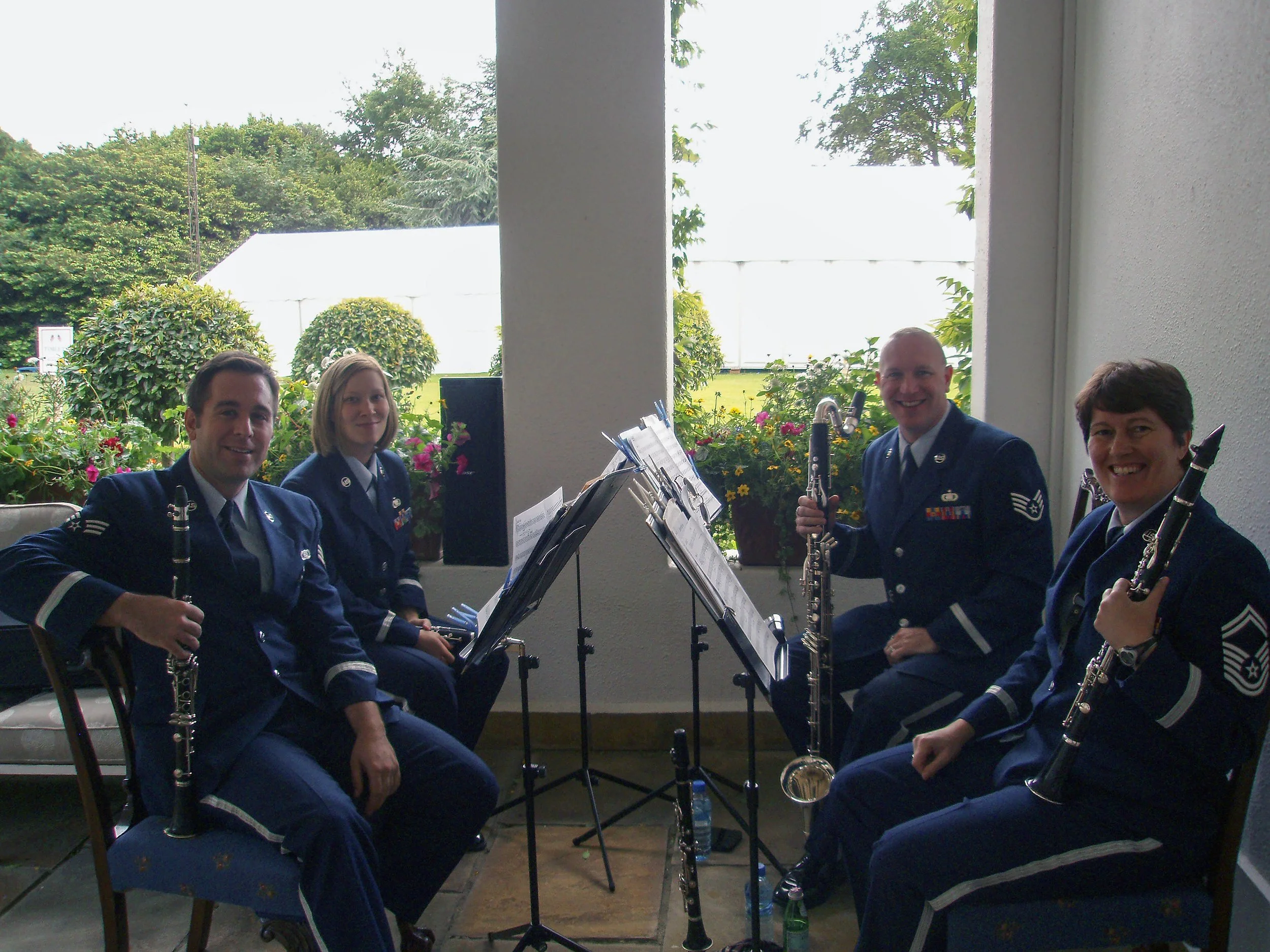
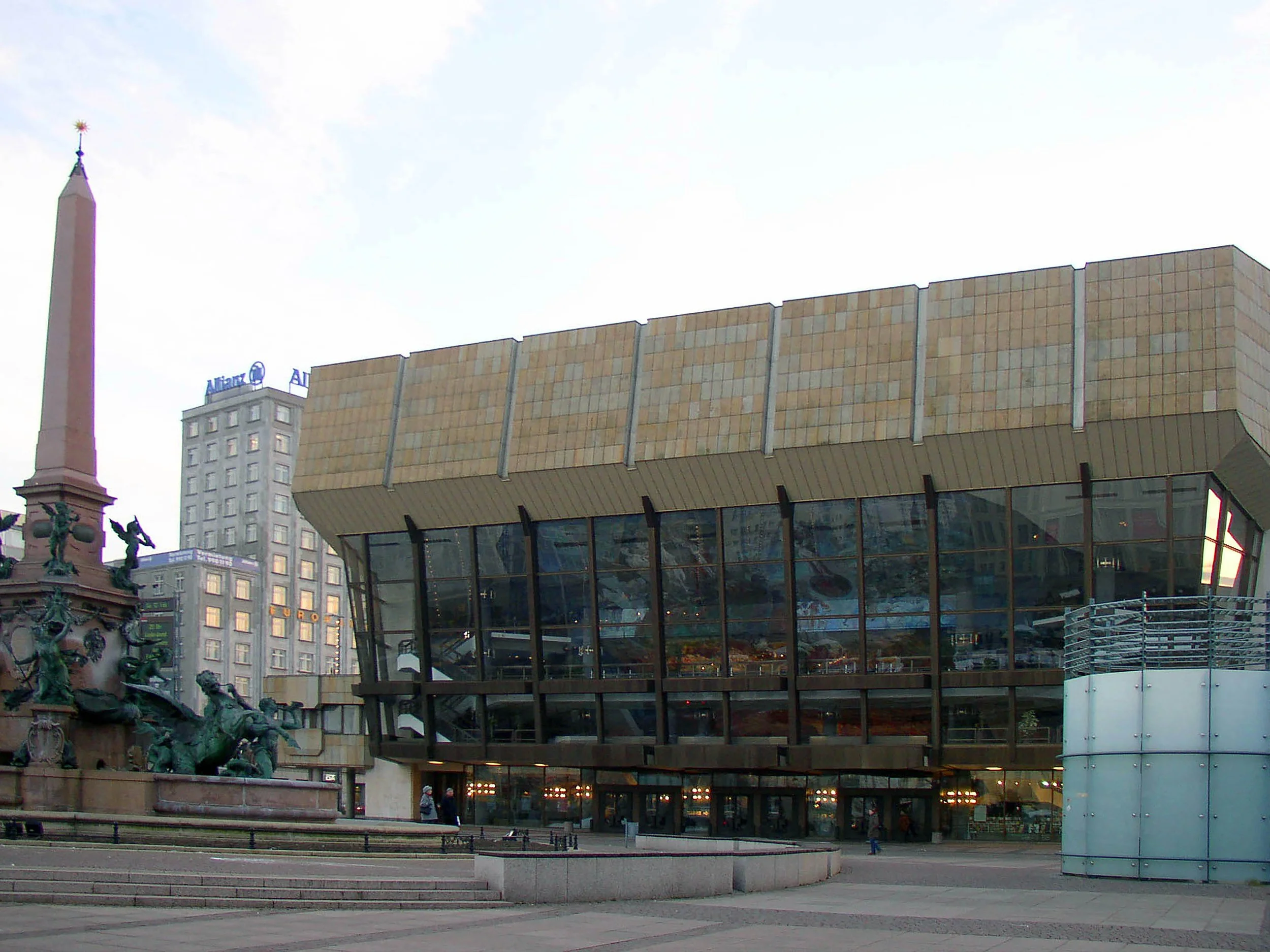

Here are some more images from my travels in Europe that made me a better musician. The first picture above is from a performance of the USAFE Band Clarinet Quartet. We performed Percy Grainger’s “Irish Tune from County Derry” in Dublin, Ireland! We had a July 4th gig at the U.S. Ambassador’s Residence in Dublin, and when we played this gorgeous Irish ballad, there wasn’t a dry eye in the place. What a moving experience for a musician! The second picture above is of the famous Gewandhaus concert hall in Leipzig, Germany. I performed with the USAFE Band here on a December concert one year, with special guest Kim Nazarian of the New York Voices. I remember stepping onto the stage and actually feeling the presence of Felix Mendelssohn, Bruno Walter, Kurt Masur, and all the other music directors of this world-class orchestra. What a treat!
The third picture above is from Warsaw, Poland. Our USAFE Band Chamber Winds Ensemble was performing a concert tour throughout Poland, and we had some free time, so we visited the Chopin monument in the beautiful Łazienki Royal Gardens in downtown Warsaw. During the summer, there are free weekly concerts here at this monument to Chopin’s music. To see the love for this composer of his hometown was really touching. Although he settled in Paris, Poland will always treasure its association with Frederic Chopin. Learning all of this, from these three sites, made me a better musician. I understand this music and it’s composers much better now.
To see all of these amazing places and find out specifically where composers lived, you will need some excellent, up-to-date resources. Here are three resources (pictured below, with links) that have helped me in my travels across Europe. These resources list which sites exist for each composer, describe the culture, history, and architecture of these European sites, and often include walking tours (by Rick Steves and Rowland Mead) of these places. Armed with verified, up-to-date information, you will be able to visit some amazing classical music sites and travel across Europe in search of your favorite composer’s hometown to see their legacies.
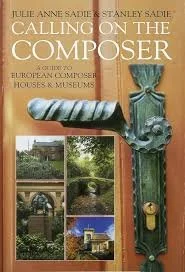

The first book, pictured above, is the old standard, Calling on the Composer, a book by the legendary music historian and critic Stanley Sadie and his wife, cellist, author, and musicologist Julie Anne Sadie. This great resource lists all the monuments, plaques, birthplaces, and museums associated with the most notable European composers, along with their addresses, websites, and contact information. Although written in 2005, much of the information is still valid. You might need to check current websites for updated hours and prices, but this is a great place to start and a great resource for learning how a city has remembered its famous musical residents.
The second book pictured above is by Rick Steves, who is probably the best resource for European travel. This experienced, wise, and very informative veteran of European travel has been visiting this continent for over 40 years. His guidebooks are the best-selling on European travel in the U.S. and many other countries, and he will give you an honest appraisal of European cities, countries, cultures, cuisine, history, and architecture that saves you time and money, and keeps you from making some common travel mistakes. His guidebook pictured above, on Vienna, Salzburg, and the Tirol, is an excellent, very up-to-date source (they’re printed every year or two), on Salzburg and Vienna, and will tell you about the music sites in these two cities, although he is writing for a more generalized audience, and not specifically for classical musicians with a keen knowledge of Mozart. Still, his books are an excellent resource for European travel, and his extensive, authoritative website is packed with free information.
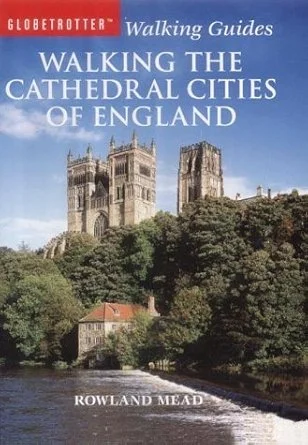
The third book pictured above is Rowland Mead’s excellent Walking the Cathedral Cities of England. Although written in 2003, this book remains mostly current and offers readers two walking tours of each Cathedral city in England. First, you are taken on a guided tour around the Cathedral, seeing all the interesting points that make this cathedral special, including any musical tributes, architectural rarities, or historical details. Second, you are taken on a guided walk (usually just a few miles), starting and ending at the Cathedral to the main tourist sites in that town, with excellent details about each site.
Of course, you can just Google this information, but these books, by musicologists and travel experts, give you a better advantage. Mead’s book allows you to immerse yourself in an English Cathedral town and learn about its history, architecture, culture, and famous citizens. Many composers worked in Cathedrals and often performed in them regularly. Getting to see where they worked, composed, and flourished offers the reader a greater insight into that composer and helps you understand how to perform their music better. The mere fact of being in the same physical space as the composer actually teaches you to understand the composer and their work much better. This is somewhat hard to quantify; you just have to experience it to believe it. I can tell you from experience, it just works.
Case in point: Gustav Mahler. One summer, while I was stationed in Germany, I spent two weeks on leave with my two best friends. We traveled around Germany and Austria, and at one point, visited one of the composing cottages for the Austrian composer, Gustav Mahler (Die Komponierhäuschen). The three pictures below show you a glimpse of this site. I had played some of Mahler’s symphonies before, but did not feel I understood them very well, though I loved the music. While driving out to his cottage through the gorgeous Salzkammergut district outside of Salzburg, we drove along Attersee, a beautiful lake with lush little villages dotting its shores, and mountains rising from nowhere to massive, snowy, towering peaks.
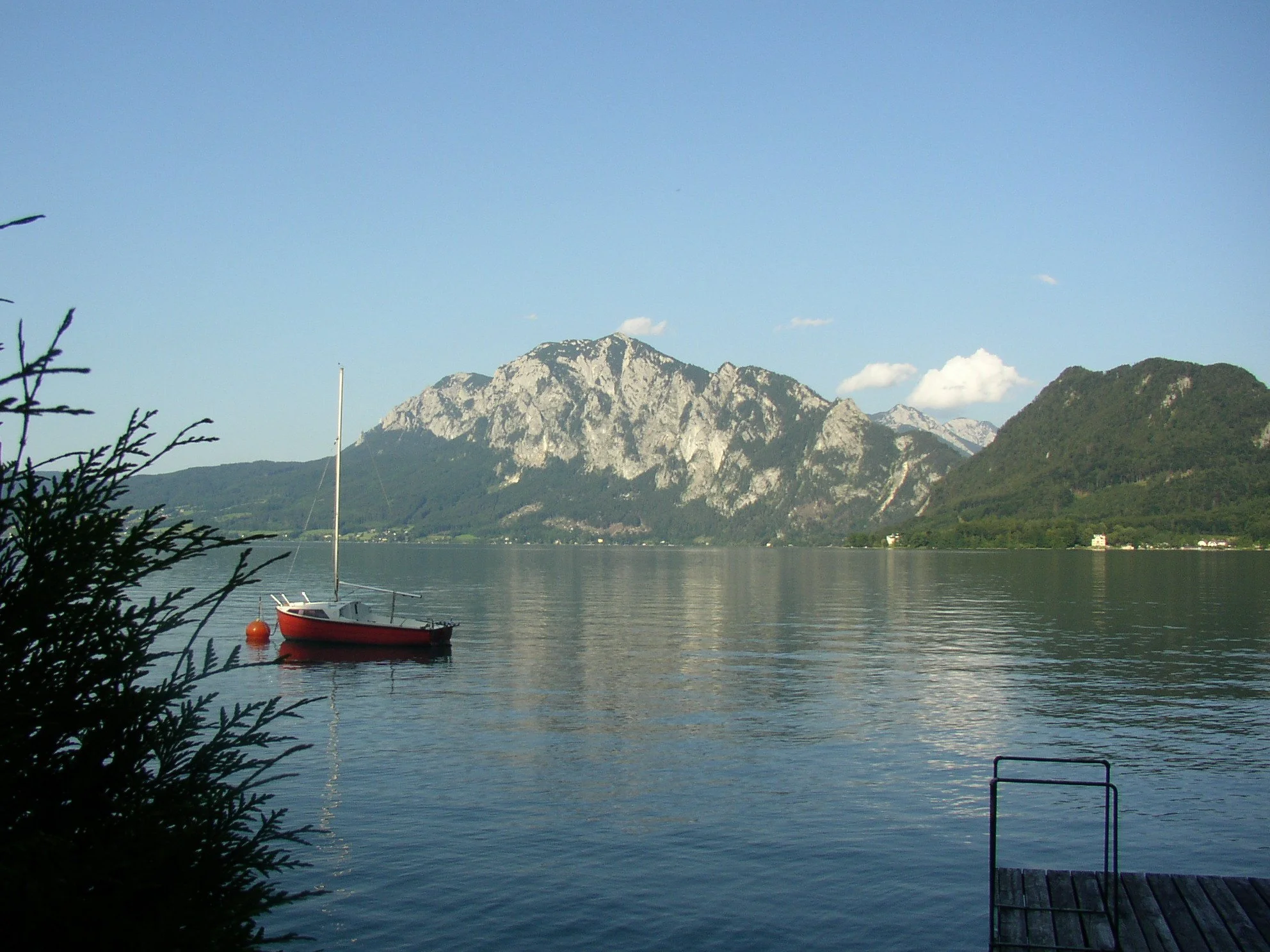
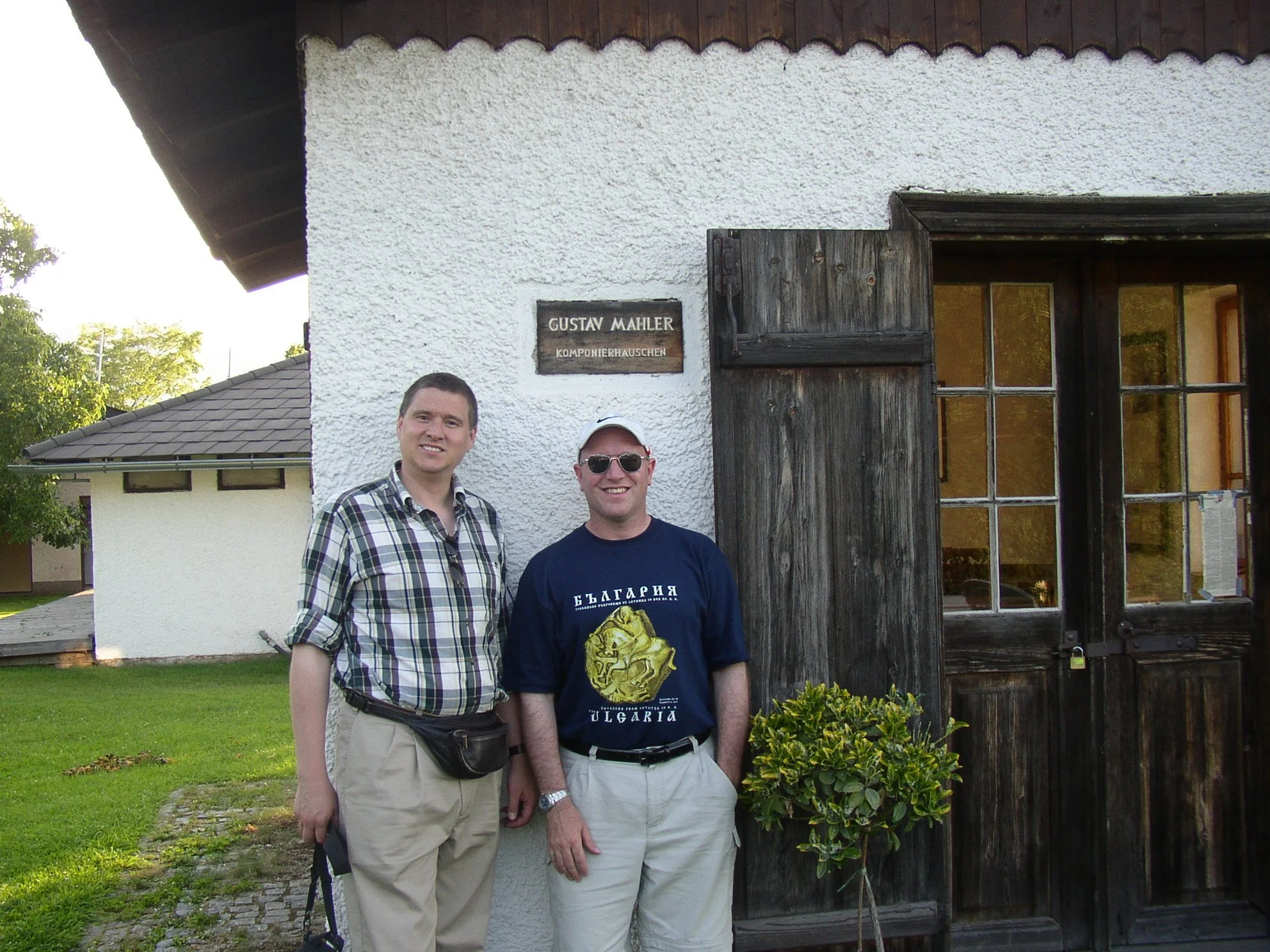
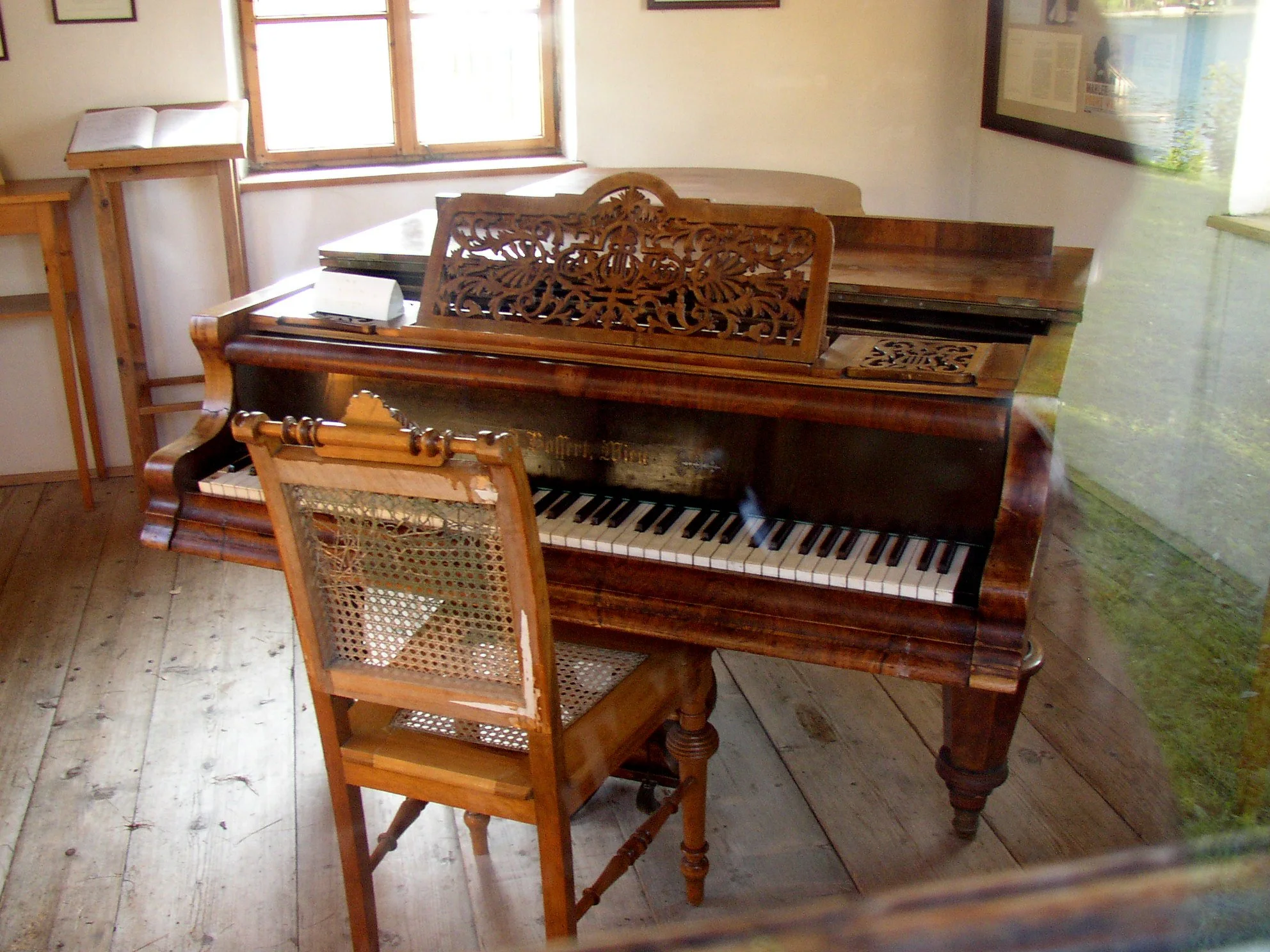
Upon seeing this stunning Austrian scenery (first picture above), all of a sudden, it became clear why Mahler wrote this music: look around you! The stunning scenery, the serene lake, the massive snowy mountain peaks, the clear skies, his composing cottage (second picture above), and seeing his piano (third picture above), all finally made sense. Of course, he wrote his symphonies while looking at these sites. What else would he have written? It finally made sense. You could actually feel his music soaring through this beautiful setting. Additionally, seeing Mahler’s grave in a suburb of Vienna offered me a tactile connection with the composer and a chance to see where he was laid to rest. It is a very powerful, very special moment to experience for a musician.
This is why we travel and why it makes us better musicians. Experiencing what the composer did, seeing their surroundings, eating the same cuisine they enjoyed, walking the same pathways, and listening to their music in their very own homeland, helps you to start understanding why they wrote what they wrote, and what it means to you. As a musician, travel makes you smarter. It opens your mind and heart to new cultures, peoples, history, architecture, cuisine, and of course, music. Embrace the change. It can be scary sometimes, but it will make you a better, more seasoned, more thoughtful, and more enlightened musician. Happy travels and happy practicing!
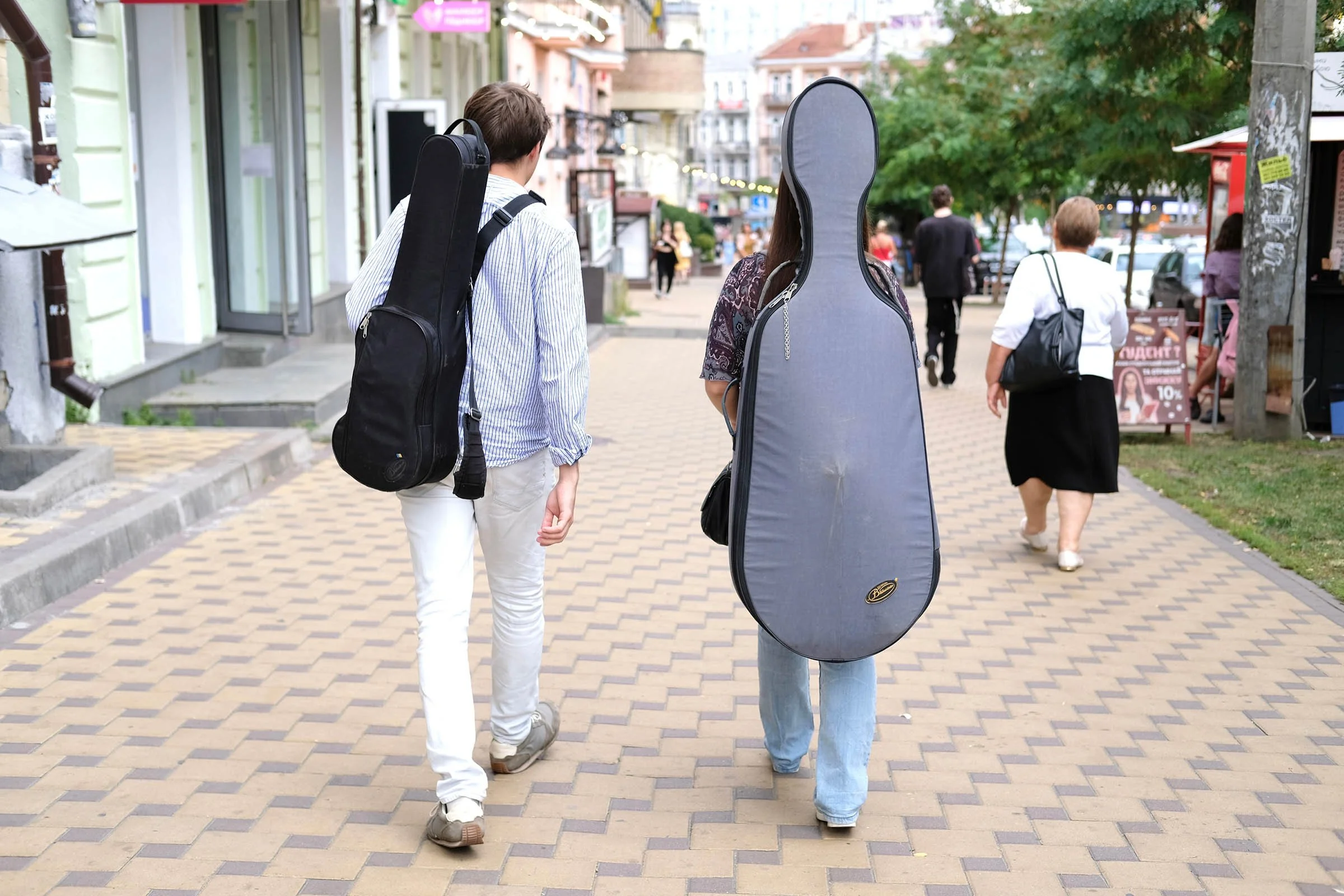
Musicians traveling with their instrument cases
Here are the answers to the music trivia questions I posted at the beginning of the blog.
First question: Which museum in Hostervitz, Germany, celebrates a famous German composer, conductor, virtuoso pianist, and critic?
The Carl Maria von Weber Museum, near Dresden (Hostervitz), Germany. This museum features many scores, paintings, sketches, and ephemera from Weber’s life. For a clarinetist, this is mecca! If you arrive early, as I did, right when they open, you might get a personal guided tour from the curator, pointing out the items of special interest to a clarinetist!
Second question: Which 18th-century Viennese café, opened by Empress Maria Theresia’s personal chef, hosted concerts by legendary composers like Mozart and Beethoven?
Café Frauenhuber, near Kärntner Straße, in Vienna, Austria. I had the privilege of dining here on my last trip to Vienna. My travel buddy and I enjoyed some of the best hot chocolate and choco-crepes we have ever eaten. This was, of course, after a 4-mile walk through Vienna, so we earned it. In addition to the amazing cuisine, we appreciated the venue's historical significance. Mozart performed here!
Third question: Which 11th-century Romanesque, Gothic, and Norman Cathedral hosts John Rutter’s The Cambridge Singers when they record their CDs in the Lady Chapel?
The beautiful Ely Cathedral, in lovely Cambridgeshire, UK. This beautiful Cathedral, with its iconic Octagon Tower, beautiful, vast Lady Chapel, the historic Galilee Porch, and history dating back to the 9thC, was a treat to see in person. I also had the privilege of performing in this amazing Cathedral with the USAFE Band. Our concert band played Ron Nelson’s “Rocky Point Holiday” in that amazing space. I think they can still hear it ringing!
Thanks for taking the time to stop by and read my blog. I hope you enjoyed my musings on music. I’ll be back next week with more anecdotes, memories, and passions for music. In the meantime, you can listen to an excerpt from my latest arrangement for clarinet choir, a five-movement suite, “Selections from Carmen,” from Georges Bizet’s fiery and dynamic opera Carmen, by clicking on the MP3 player below. Then click here to purchase it from my Shop. Have you been to any of the sites I mentioned in this blog post? Tell me all about it in the comments below. I’d love to hear about your travel experiences. Thanks for stopping by. See you in my next blog!
9 January 2026
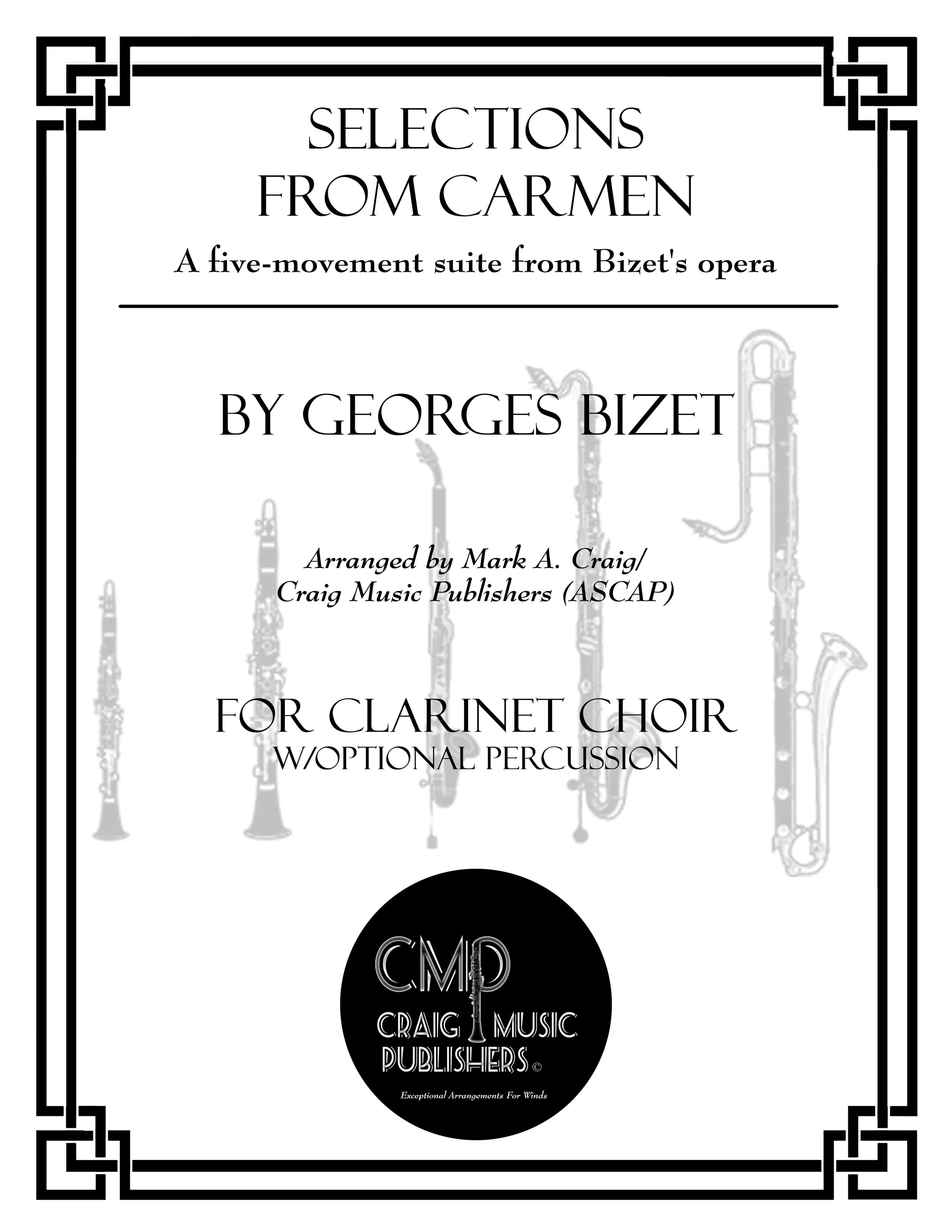
Bizet: Selections from Carmen - Arranged for Clarinet Choir - cover art
